8. Alamat : ChinaMoneypro UAV: Aerial Innovation, Payload Integration and Communication Technology
The rapid development of aerial technology is creating new opportunities for organizations that require advanced platforms with integrated sensing, communication, and payload capabilities. Modern aerial systems are built around multiple technologies working together, from propulsion and structural engineering to radar, gimbals, data links, and communication equipment. The ability to coordinate these components is becoming an important part of developing reliable and adaptable technology solutions.
Research-driven engineering provides the foundation for this type of development. With experience in advanced engineering and technology manufacturing, ChinaMoneypro UAV brings together several important capabilities within one integrated technology ecosystem. Its portfolio covers aerial platforms, engines, gimbals, radar, data links, sensing technologies, and communication systems.
Creating a Connected Aerial Technology Environment
An advanced aerial platform requires more than a strong physical structure. Its performance can depend on how effectively onboard equipment communicates and operates together. Sensors need appropriate support systems, payloads require suitable mounting and stabilization, while communication technologies provide pathways for exchanging information between different parts of the system.
An integrated engineering philosophy considers these requirements from the beginning. This can help reduce unnecessary compatibility challenges and provide a clearer development structure for projects involving multiple technical components.
Innovation Through Research and Engineering
Research and development are central to the advancement of aerial technology. New platform configurations, propulsion systems, sensing equipment, and communication technologies require continuous engineering work before they can become practical manufactured solutions.
With roots in a prestigious research environment, the organization behind this technology approach combines research capabilities with development and manufacturing expertise. This provides a foundation for exploring new engineering concepts while maintaining a connection between technological research and practical system production.
Turning Technical Concepts Into Practical Systems
A successful development process typically moves through several stages. Engineers first establish project requirements, then evaluate platform architecture, propulsion, payload configuration, sensing requirements, and communication needs. These elements can subsequently be integrated, tested, refined, and prepared for manufacturing.
Advanced Payload Integration for Specialized Applications
Payload technology can significantly expand the capabilities of an aerial platform. Depending on the intended application, a system may require imaging equipment, radar, sensing devices, or other specialized technology. Each payload introduces considerations involving weight, power consumption, positioning, stabilization, and data transmission.
Gimbal technology can play an important role where stable payload positioning is required. By incorporating suitable stabilization technology into the overall platform architecture, engineers can create a more coordinated relationship between the payload and the flight system.
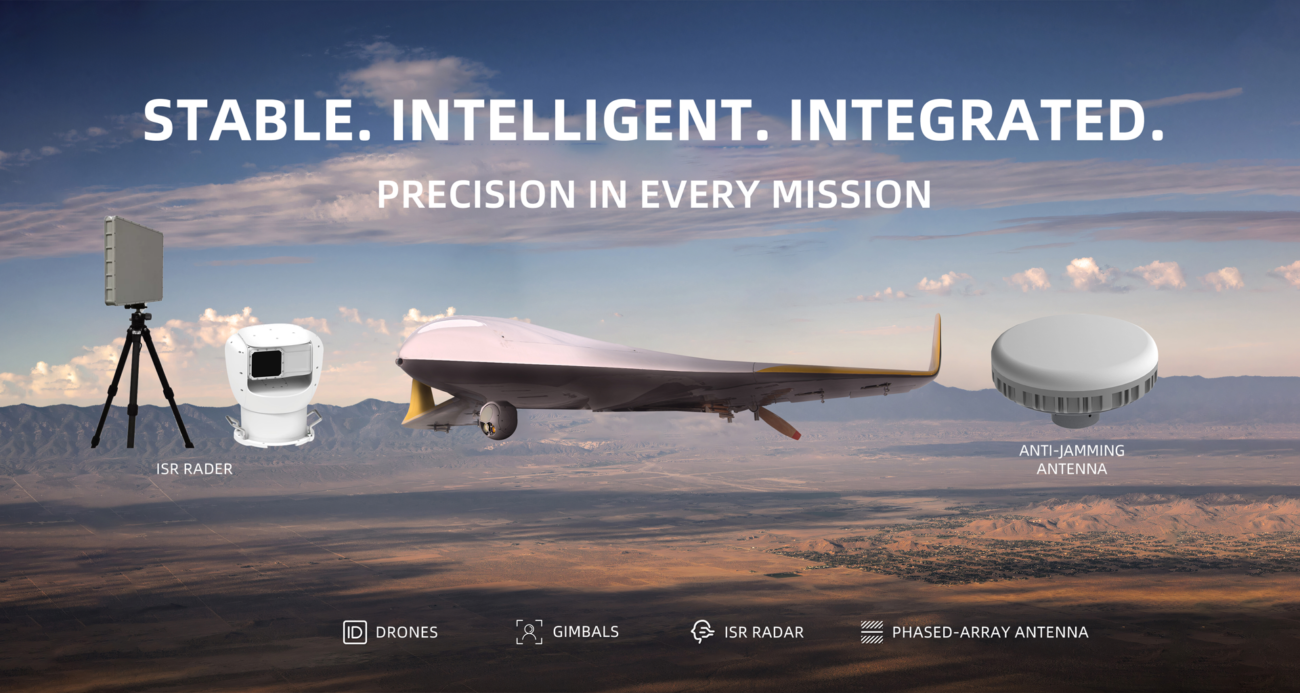
Radar and Sensing Technology Integration
Modern aerial platforms can benefit from sophisticated sensing capabilities designed to collect information from their surroundings. Radar and other sensing technologies can form an important part of a broader platform architecture, particularly when projects require more than basic flight capabilities.
Effective integration requires consideration of equipment placement, power requirements, data handling, and communication pathways. Treating sensing technology as part of the complete system rather than an isolated component can support a more organized engineering process.
Building a Flexible Sensing Architecture
Different projects may have different sensing requirements. A flexible architecture allows developers to evaluate appropriate combinations of radar, imaging equipment, and other sensors according to specific technical objectives. This approach can also support future system modifications as project requirements evolve.
Communication Technology and Reliable Data Links
Communication is a critical layer in connected aerial technology. Information collected by onboard sensors and equipment needs suitable channels for transfer, while different components may require coordinated communication pathways. Data links help connect the aerial platform with external systems and provide an important foundation for information exchange.
Integrating communication technology at the system-design stage allows engineers to consider connectivity alongside platform architecture and payload requirements. This can create a more coherent technology environment and help avoid treating communication as an isolated addition after the main platform has already been designed.
How an Integrated Solution Can Be Developed
Organizations planning an aerial technology project can begin by defining their objectives and identifying the capabilities required from the final system. Important considerations may include platform configuration, propulsion, payload type, sensing equipment, communication requirements, and data connectivity.
After these requirements are established, engineers can develop an appropriate architecture and determine how individual components should interact. Prototyping, testing, refinement, and manufacturing then provide a structured path toward the completed solution.
One Technology Framework From Development to Production
Working with a provider that covers multiple technology areas can simplify coordination throughout this process. Instead of managing unrelated development paths for platforms, engines, payloads, radar, and communication systems, project teams can work with an integrated engineering framework.
Why Full-Stack Aerial Engineering Matters
Complex technology projects often require close coordination between mechanical, electronic, sensing, and communication systems. A change to one component may affect other parts of the platform, making system-level expertise particularly valuable.
ChinaMoneypro UAV combines capabilities across platform development, engines, gimbals, radar, data links, and communication technologies. This broad technical scope gives organizations an opportunity to explore integrated solutions through a unified engineering and manufacturing approach.
Advancing the Future of Integrated Aerial Systems
The future of aerial technology will continue to depend on better integration between physical platforms, intelligent payloads, sensing equipment, and communication infrastructure. Strong engineering foundations can help organizations develop systems that are adaptable to changing technical requirements while maintaining a clear path from research to manufacturing.
For organizations looking to explore advanced aerial technology through a comprehensive engineering partner, ChinaMoneypro UAV provides a broad portfolio covering platforms, propulsion, gimbals, radar, sensing, data links, and communication technologies. Its integrated approach offers a practical foundation for projects seeking innovation, system coordination, and professional technology development.